regenerative · 11 min read
Force of Nature vs. ButcherBox vs. Crowd Cow: A Side-by-Side Test
We bought a $400 box from each. Here's what showed up, what it cost, what it tasted like, and which one earns the spot in your freezer.

If you've decided to stop buying supermarket meat, the next question is: who do you buy from instead? Three direct-to-consumer brands dominate the regenerative-meat-by-mail conversation. We bought from all three, ate from all three, and have opinions.
TL;DR: ButcherBox wins on convenience and price, Force of Nature wins on nutrition density, Crowd Cow wins on prestige cuts. There's a clear best choice for each of three buyer types — and one of them is "all three, in rotation."
What we tested
We ordered roughly $400 worth of product from each brand in late winter, prioritizing variety: ground beef, a steak, a roast or specialty cut, and one product unique to that brand. Everything arrived frozen, vacuum-sealed, on dry ice, with no thaw damage on any of the three orders.
| Brand | Total spent | # of cuts | Cost per lb (avg) | Source farms |
|---|---|---|---|---|
| **Force of Nature** | $389 | 11 cuts, 24 lbs | $16.20/lb | Texas Hill Country (single-source) |
| **ButcherBox** | $399 | 24 cuts, 28 lbs | $14.25/lb | Network of US, AU, NZ farms |
| **Crowd Cow** | $412 | 9 cuts, 14 lbs | $29.40/lb | Independent ranches (named) |
Force of Nature: the regenerative purist
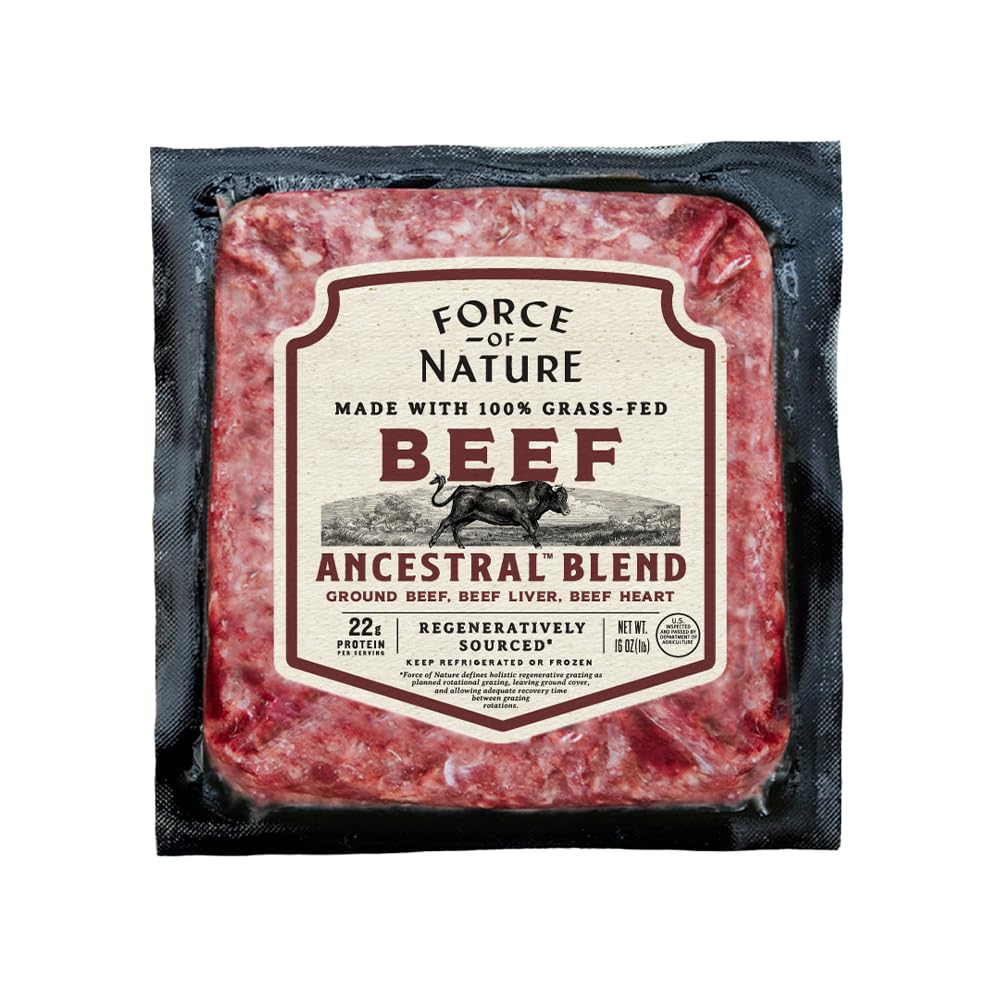
Force of Nature is the most ideologically committed of the three. They're founded on Roam Ranch, a 900-acre regenerative property in Texas Hill Country, and most of their ground meat comes from there. Their signature product is the Ancestral Blend — ground beef blended with liver, heart, and kidney. It looks and cooks like normal ground beef, but you're getting the micronutrient density of organ meat without having to taste it.
What was great:
- The Ancestral Blend genuinely tastes like good ground beef. You'd never know there's organ meat in it. Best burger we've made all year.
- Single-source means consistent flavor across products. The bison-and-grass-fed-beef bar (a snack item) was unexpectedly the standout.
- Their packaging is the cleanest of the three — minimal plastic, recyclable inserts.
What wasn't:
- Selection is narrower than the other two. If you want a Tomahawk steak or a tri-tip, look elsewhere.
- Cost-per-pound is mid-range, but they don't offer the "first box discount" promotional pricing that gets you in cheap.
Best for: Buyers who care about regenerative practice as a value, who eat ground meat 3-5x per week, and who want their dollars going to a single farm doing measurable soil regeneration.
ButcherBox: the convenience play
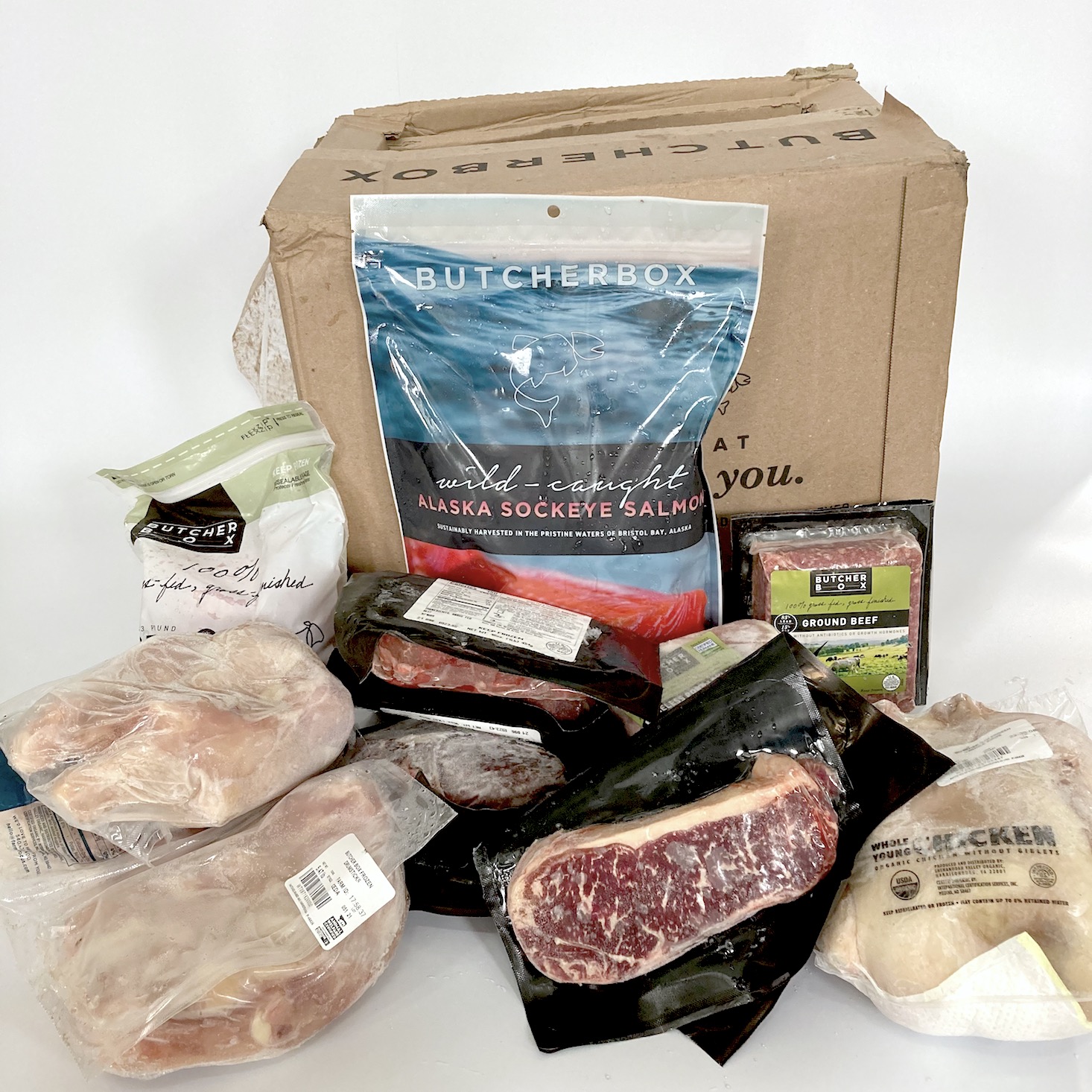
ButcherBox is the easiest entry point into regenerative-adjacent meat. Their model is a curated subscription: you pick "all beef," "mixed," or several other curations, and 9-14 lbs of frozen meat arrives every 4-8 weeks. They source from a network of grass-fed farms in the US, Australia, and New Zealand.
What was great:
- The customizable box gives you 24+ choices on each order. You can stock a freezer with exactly the cuts your family will eat.
- Per-pound price is the lowest of the three when you stack their frequent promotions (free first box of bacon, $30 off, etc.).
- The chicken thighs are the dark-horse standout — pasture-raised, deep flavor, $4-5/lb.
What wasn't:
- Sourcing is opaque at the cut level. You know it's grass-fed; you don't know which farm.
- Some of the beef is grass-fed but grain-finished (their "regular" line). Read the labels — only the "100% Grass-Fed" line is fully grass-finished.
- Subscription model is annoying if you want to buy ad-hoc; they charge a $10 fee on cancellation if you skip too many cycles.
Best for: Families who want the easiest possible "stop buying supermarket meat" path, who don't have time to research individual farms, and who appreciate a customizable monthly box.
Crowd Cow: the prestige pick
Crowd Cow is meat with provenance. Every product shows you the farm name, often the breed of cattle, sometimes the individual animal. They focus on independent ranches with notable practices — Wagyu crossbreeds, heritage breeds, heritage hog breeds.
What was great:
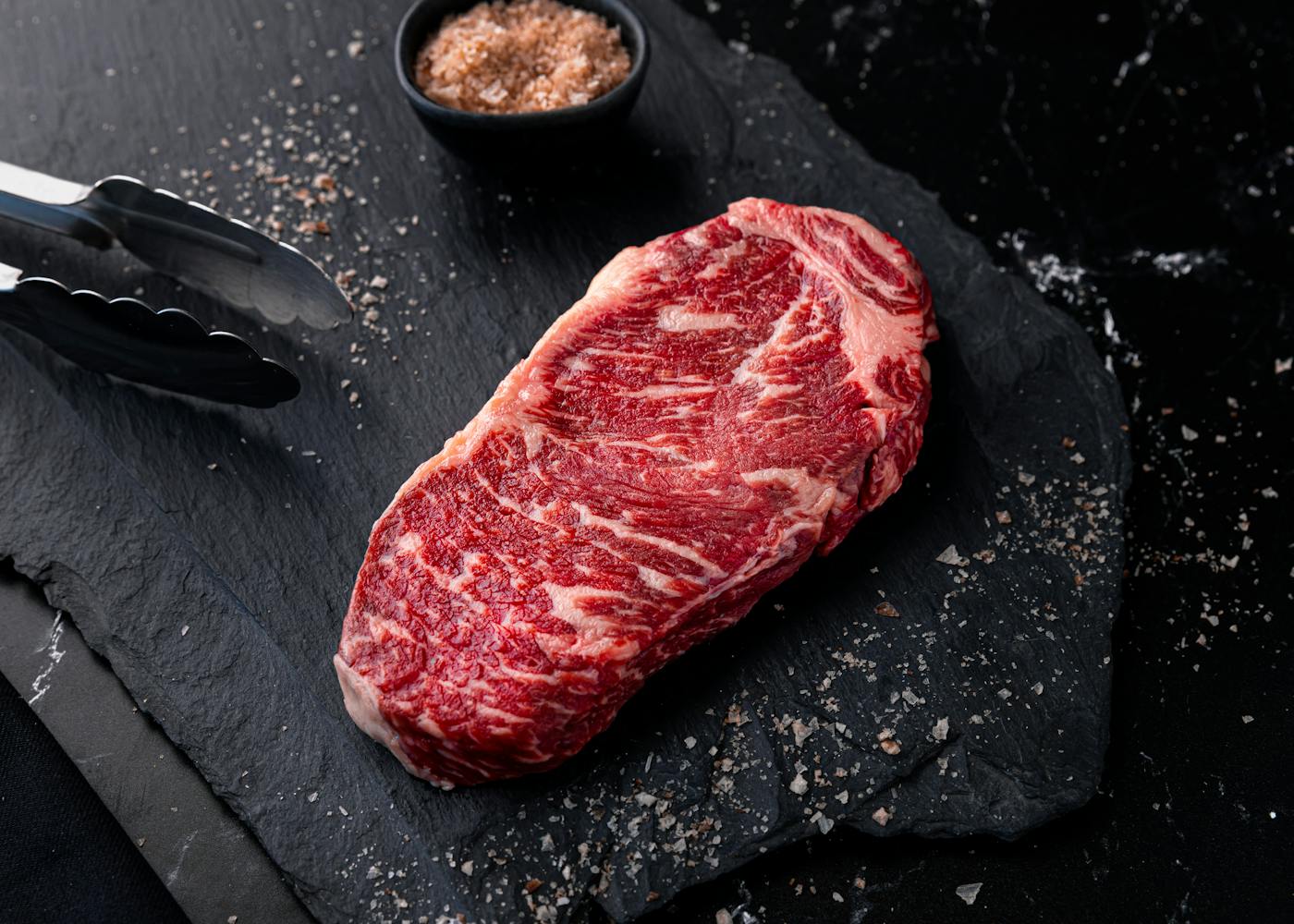
- The American Wagyu bundle was extraordinary. Marbling on the ribeye looked like a topographic map. We've paid more for less at restaurants.
- Single-source transparency is the best in the industry. You can read about the rancher, the farm, the practices.
- Customer service responded in 4 hours when one item in our box arrived slightly soft.
What wasn't:
- Twice the per-pound cost of ButcherBox. This is special-occasion food, not a weekly stocking strategy.
- Selection rotates frequently — the cut you bought last month may not be available this month.
Best for: Buyers who treat meat like wine: they want provenance, they're cooking for a small group, and the steak itself is the event.
A fourth option to consider: buy direct from a single farm
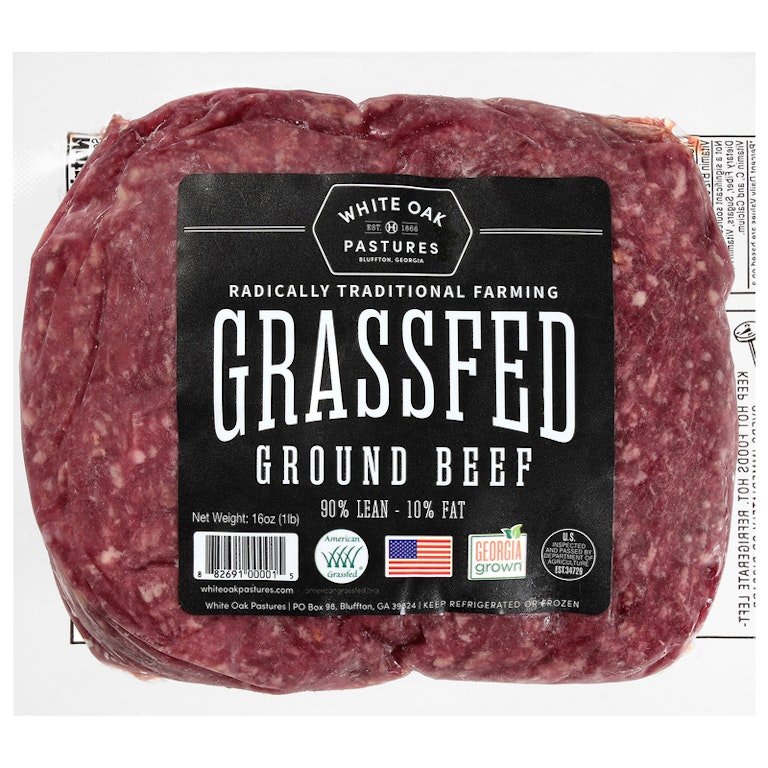
The cheapest, most transparent option is to buy direct from a regenerative farm. White Oak Pastures, the most-studied regenerative farm in America (their beef is net carbon-negative according to Quantis's 2019 LCA), sells direct — and their per-pound price is competitive with ButcherBox.
The trade-off is selection and shipping logistics. A single farm has whatever cuts come off whatever animal they slaughtered last; you take what's available. But the relationship is real.
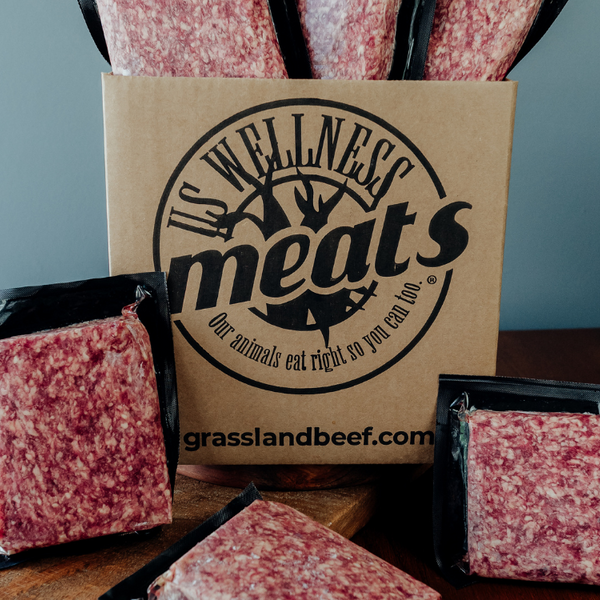
US Wellness Meats operates similarly — direct from a Missouri farm, with a wider catalog. Their "sugar steak" — chuck eye marinated in maple — is a cult cut you cannot find elsewhere.
How to choose
A simple decision tree:
- You're brand-new to mail-order meat? ButcherBox. Use their first-box promotional code, see how the format fits your life.
- You eat ground meat regularly and care about soil regeneration? Force of Nature. The Ancestral Blend is the highest-leverage move in this whole category.
- You're cooking a special meal? Crowd Cow's Wagyu bundle.
- You want the cheapest grass-fed direct? White Oak Pastures or US Wellness Meats.
There's no wrong answer. The wrong answer is supermarket meat from cattle finished in a feedlot — which is what 95% of American beef still is.
What about the price?
The "regenerative meat is too expensive" argument falls apart when you do the math honestly. A pound of supermarket conventional ground beef is $5; a pound of ButcherBox grass-fed is $9. That's $4 per meal, not $40. You'll pay it gladly when you taste the difference.
If the budget is tight, eat regenerative meat less often, of higher quality. A weekly grass-fed beef night is a better health investment than a daily fast-food burger habit, at the same total spend.